All Categories
Featured

Strategic Insights for Modernizing Cloud Infrastructure
Table of Contents
The Web of Things links physical gadgets to digital platforms, and it keeps broadening into industries that when operated totally offline. Sensors, smart meters, and connected makers now feed continuous real-time information into company systems. This gives operations groups a clearer, much faster view of what is occurring on the ground.
When your makers and facilities report their own status constantly, you make choices based on truths rather of guesswork. As IoT networks grow, sending every piece of information to a main server before acting on it creates undesirable delays. Edge computing resolves this by processing data at or near the point where it is produced.
In 2026, it is an essential layer in any major real-time operation. Not every organization has a large designer team. Demand for software, however, keeps growing. Low-code and no-code platforms bridge this gap by letting non-technical groups build functional applications using visual tools and pre-built components. How low-code modifications the pace of work: Business analysts build customized apps in days, not monthsDevelopment teams model faster and invest deep engineering effort where it countsOrganizations reduce dependence on single designers for each changeNew tools reach employees and customers far soonerLow-code does not replace specialist software application development.
Strategic Insights on Modernizing Cloud Infrastructure
Digital change is not a task. It is not something you complete and after that move on from. In 2026, the most resilient organizations treat it as a long-term operating mode. Consumer expectations keep increasing. Individuals desire fast service, smooth digital experiences, and responses that feel personal. Fulfilling those expectations requires systems that progress continually, not facilities that sits the same up until it breaks.
Those that treat it as a one-time initiative fall behind and pay more to capture up. Every business generates data. In 2026, the distinction in between high-performing organizations and average ones typically comes down to how well they utilize it. Advanced analytics tools convert raw numbers into clear, actionable insights. Leaders no longer need to count on suspicion when information can show precisely what consumers desire, where earnings is dripping, and which strategies in fact produce results.
Purchasing tidy data facilities and clear dashboards pays dividends across every service function. For years, off-the-shelf software was the default choice. It fasted to buy, basic to begin, and simple to justify. As services scale, generic platforms significantly stop fitting the method real work happens. In 2026, business are returning to custom-made software, and with great reason.
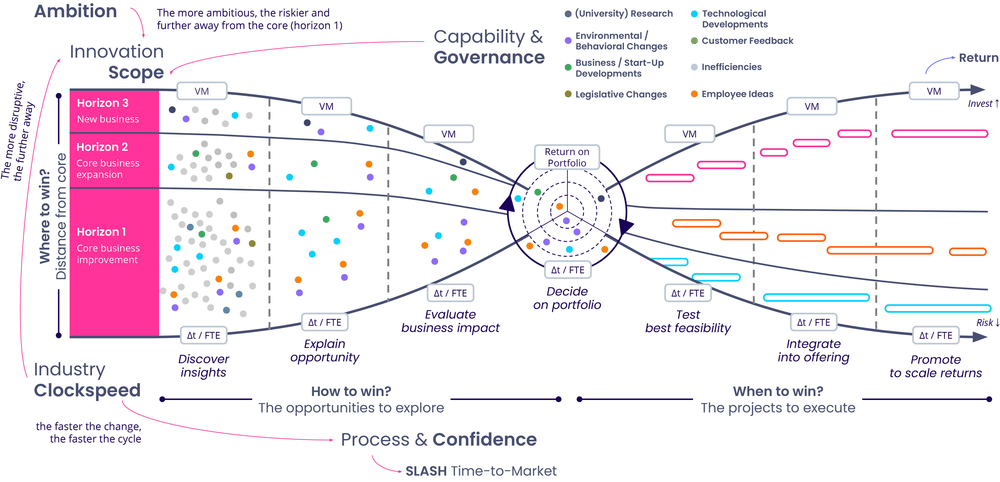
Navigating the Future of Enterprise Tech TransformationEvaluating Traditional R&D and Agile Tech Cycles
off-the-shelf: a direct comparisonFactorOff-the-Shelf SoftwareCustom SoftwareInitial CostLower upfrontHigher in advance investmentLong-Term CostRecurring licenses plus workaroundsLower over time, no license dependencyFit to Your ProcessRequires adjusting your workflowsBuilt precisely around your workflowsScalabilityLimited by vendor's roadmapScales specifically with your needsIntegrationOften limited or pricey to extendDesigned to link with your systemsData ControlShared or vendor-managed environmentsFull ownership and controlStrategic ValueGeneric, replicated by competitorsUnique, becomes a business assetCustom software application is developed to match how your organization really operates.
Navigating the Future of Enterprise Tech TransformationFor leaders planning 3 to five years ahead, tailored software application is a tactical investment that delivers compounding returns. It is not an expenditure. It is a possession. These ten patterns share a clear through-line. Every one is about building a service that operates smarter, remains secured, and grows without hitting unnecessary limits.
They will determine which innovations line up with their essential goals, move with function, and deal with partners who understand both the technology and the service difficulty behind it. That positioning is what turns patterns into genuine, measurable benefit. At, we deal with business leaders to develop safe, scalable, and practical digital services tailored to genuine organizational needs.
The future belongs to those who prepare for it. Let us develop yours together. In 2026, the takeaway for magnate is unmistakable: innovation is no longer a support function, it is the business. The merging of AI automation, advanced analytics, and custom software isn't almost keeping pace; it has to do with broadening the gap between market leaders and everybody else.

It indicates determining the particular levers that will open the most worth for your operation and performing them with accuracy. The future comes from organizations that deal with digital improvement not as a single turning point, however as a continuous discipline. 1. Does my service requirement to adopt all 10 trends all at once to stay competitive? No.
Designing Smart Systems for Future Scale
Focus first on foundational patterns that straight impact your instant bottleneckssuch as AI automation for decreasing overhead or cloud computing for scalabilityand expand from there. 2. Why should we purchase customized software when off-the-shelf choices are cheaper to begin? While off-the-shelf software application has lower upfront costs, it frequently requires you to change your company processes to fit the vendor's style.

Latest Posts

How 2026 Innovation Hubs Influence Markets
Mastering Tech Timelines in Modern R&D
Merging Edge Architectures into Modern Cycles