All Categories
Featured
Table of Contents
Sustainability is no longer a PR effort. In 2026 it ends up being a core functional technique, driven by energy costs, supply chain expectations, and regulatory pressure. Services will purchase low-energy information centres, carbon-aware cloud workloads, and full lifecycle exposure of their IT estate. Scalable ESG reporting tools will help organisations show measurable progress to stakeholders.
As organisations build up data from IoT devices, SaaS applications, client systems and AI engines, the genuine obstacle becomes interoperability. Fragmented datasets produce inaccuracies, compliance threats, and slow decision-making. In 2026, organizations will prioritise: Unified information governance frameworks Enterprise-wide metadata mapping Standardised APIs across essential systems Clean, high-quality datasets for AI usage Those that buy robust governance today will get a major benefit when releasing the next wave of intelligent automation.
In 2026, organisations create their digital work environments around experience rather than simple gain access to. The focus moves from allowing remote work to optimising it.
Essential Digital Transformation Guides for Future Success
It is no longer just about migration, scale, or cost. As companies rely more heavily on AI, proprietary information, and connected systems, cloud decisions are ending up being more closely tied to control, flexibility, and strength.
It likewise says cloud is becoming the functional backbone for AI and AI-assisted applications, rather than remaining in the background as a passive infrastructure layer. These signals reflect broader cloud computing trends where infrastructure is ending up being more tactical and less transactional. There is likewise a more powerful market signal behind this shift.
Gartner also frames geopatriation as the approach sovereign or regional cloud companies to lower geopolitical risk. Taken together, these shifts show why sovereign cloud adoption USA is ending up being more appropriate as companies look for higher control and continuity. For organizations, this indicates cloud choices are beginning to carry more strategic weight.
Designing Smart Systems for Future Scale
Construct your app like a PRO. Nail whatever from that very first lightbulb minute to the first million.
As business enter 2026, technology is no longer just an enabler, it's a decisive organization differentiator. Rapid advancements in AI, cloud, cybersecurity, and facilities are reshaping how companies operate, compete, and scale. For business leaders, the obstacle isn't simply adopting new innovations, but adopting the right ones with clearness, purpose, and long-term vision.
The "one-cloud-fits-all" method is officially dated. Enterprises are progressively adopting to balance efficiency, cost, security, and regulatory requirements. Secret drivers include: Data residency and compliance requires Workload-specific efficiency optimization Preventing supplier lock-in Company connection and resilience Adopt unified cloud management, concentrate on interoperability, and reinforce cloud cost governance (FinOps). With increasing cyber risks, remote labor forces, and distributed systems, perimeter-based security models are no longer reliable.
Core principles consist of: Never ever trust, always verify Continuous authentication and permission Least-privilege gain access to Identity-centric security Re-architect security around identity, endpoint visibility, and constant monitoring rather than relying entirely on network defenses. As data generation takes off at the edge, through IoT gadgets, smart facilities, and real-time systems, processing data closer to the source is ending up being critical.
Handbook IT operations are being changed by. Enterprises are leveraging automation for: Infrastructure provisioning Event detection and resolution Patch management Service orchestration Integrated with AI, automation is driving much faster resolution times, lowered downtime, and lower functional expenses. Standardize processes, buy automation platforms, and upskill IT groups to handle and optimize automated environments.
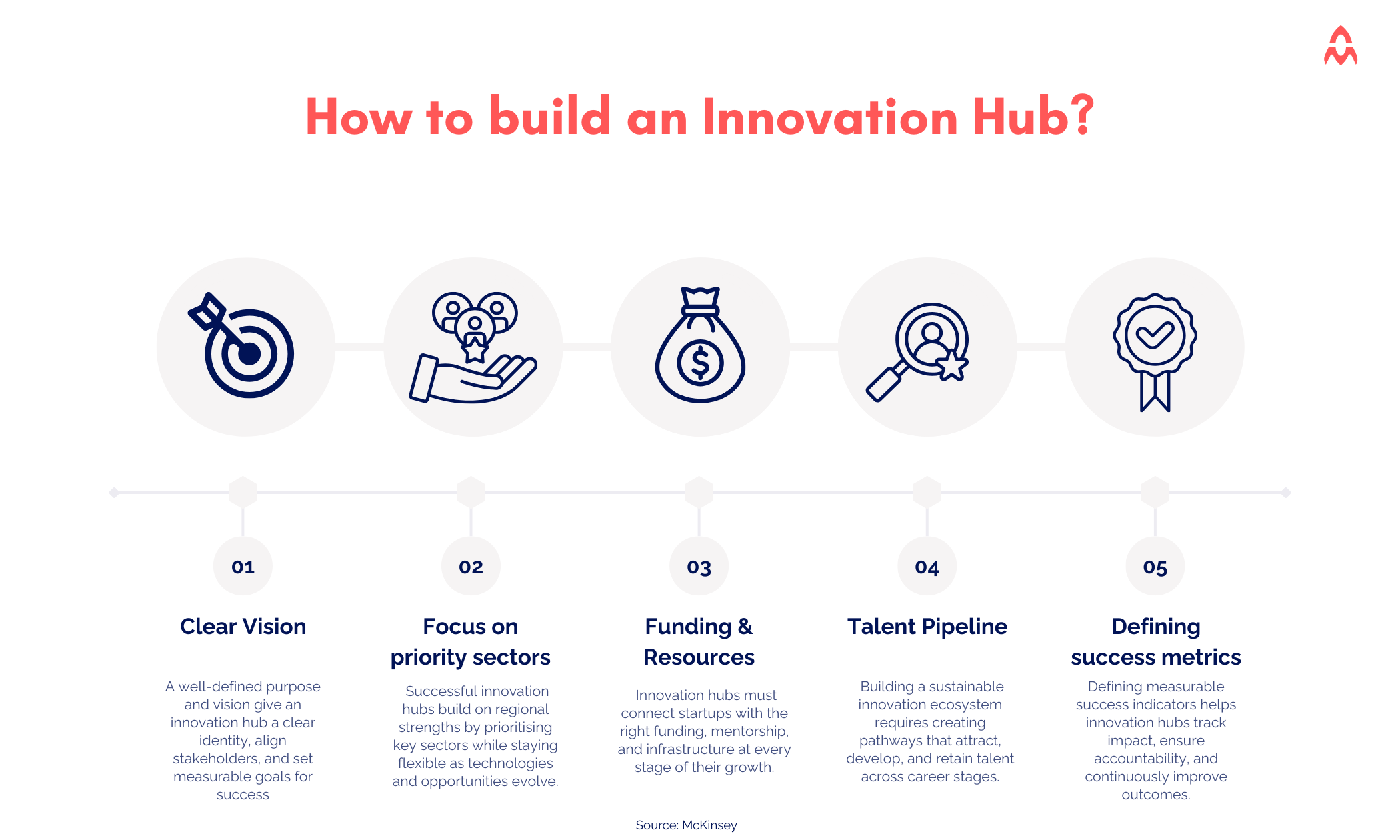
How Innovation Hubs Drive Corporate Growth
Strong EA helps business: Lower technology sprawl Improve scalability and dexterity Make notified financial investment decisions Manage legacy modernization efficiently Deal with enterprise architecture as a continuous discipline, closely aligned with leadership, method, and governance. Ecological duty is becoming a board-level top priority. Enterprises are under pressure to decrease carbon footprints across IT operations, consisting of: Energy-efficient information centers Cloud sustainability reporting Optimized work Hardware lifecycle management Measure IT energy consumption, select sustainable vendors, and integrate sustainability goals into IT technique.
What Leaders Get Incorrect about AI Combination in R&D TransformingEnterprises are increasingly adopting to balance efficiency, expense, security, and regulative requirements. Secret chauffeurs include: Data residency and compliance needs Workload-specific efficiency optimization Avoiding vendor lock-in Business connection and resilience Embrace unified cloud management, focus on interoperability, and enhance cloud cost governance (FinOps).
Core principles consist of: Never ever trust, always validate Constant authentication and permission Least-privilege gain access to Identity-centric security Re-architect security around identity, endpoint visibility, and continuous tracking rather than relying entirely on network defenses. As data generation takes off at the edge, through IoT devices, smart facilities, and real-time systems, processing data more detailed to the source is becoming crucial.
Manual IT operations are being changed by. Enterprises are leveraging automation for: Infrastructure provisioning Event detection and resolution Patch management Service orchestration Combined with AI, automation is driving faster resolution times, lowered downtime, and lower operational expenses. Standardize processes, purchase automation platforms, and upskill IT teams to handle and optimize automated environments.

Strategic Insights on Modernizing Digital Infrastructure
Strong EA assists business: Reduce technology sprawl Improve scalability and dexterity Make informed financial investment decisions Handle tradition modernization effectively Treat enterprise architecture as a continuous discipline, carefully aligned with management, technique, and governance. Environmental duty is ending up being a board-level top priority. Enterprises are under pressure to reduce carbon footprints throughout IT operations, consisting of: Energy-efficient data centers Cloud sustainability reporting Optimized work Hardware lifecycle management Step IT energy usage, choose sustainable vendors, and incorporate sustainability goals into IT method.

Latest Posts
How 2026 Innovation Hubs Influence Markets
Mastering Tech Timelines in Modern R&D
Merging Edge Architectures into Modern Cycles